Children and Scuba Diving: Building Safe, Confident Ocean Explorers from a Young Age
Introducing children to scuba diving can be one of the most rewarding things we do as dive professionals. Through structured youth programmes, young people don’t just learn to dive, they build confidence, responsibility, environmental awareness, and a lifelong connection with the ocean.
At Abyss Scuba School, we follow globally recognised standards to ensure young divers learn safely, progress at the right pace, and most importantly, enjoy the experience.
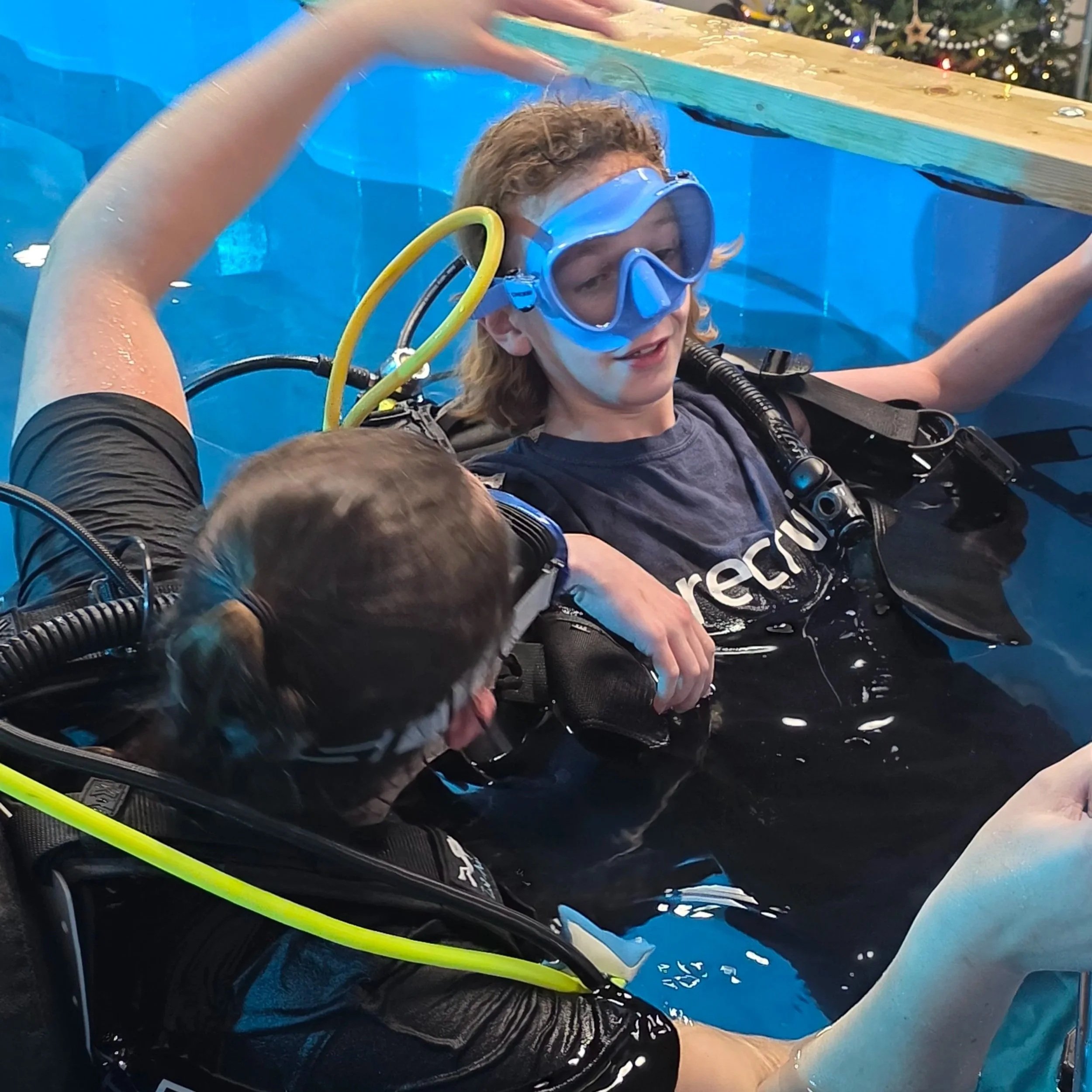
Why Introduce Children to Diving?
Youth diving programmes are designed to:
✔ Build water confidence
✔ Encourage outdoor learning
✔ Develop responsibility and independence
✔ Support teamwork and communication
✔ Create future Ocean Torchbearers™
For many families, diving becomes a shared activity, something children and parents can enjoy together safely and responsibly.
Research and long-term dive training data show that when programmes follow strict supervision, depth limits and training standards, the overall risk remains low and manageable compared to many common childhood activities.
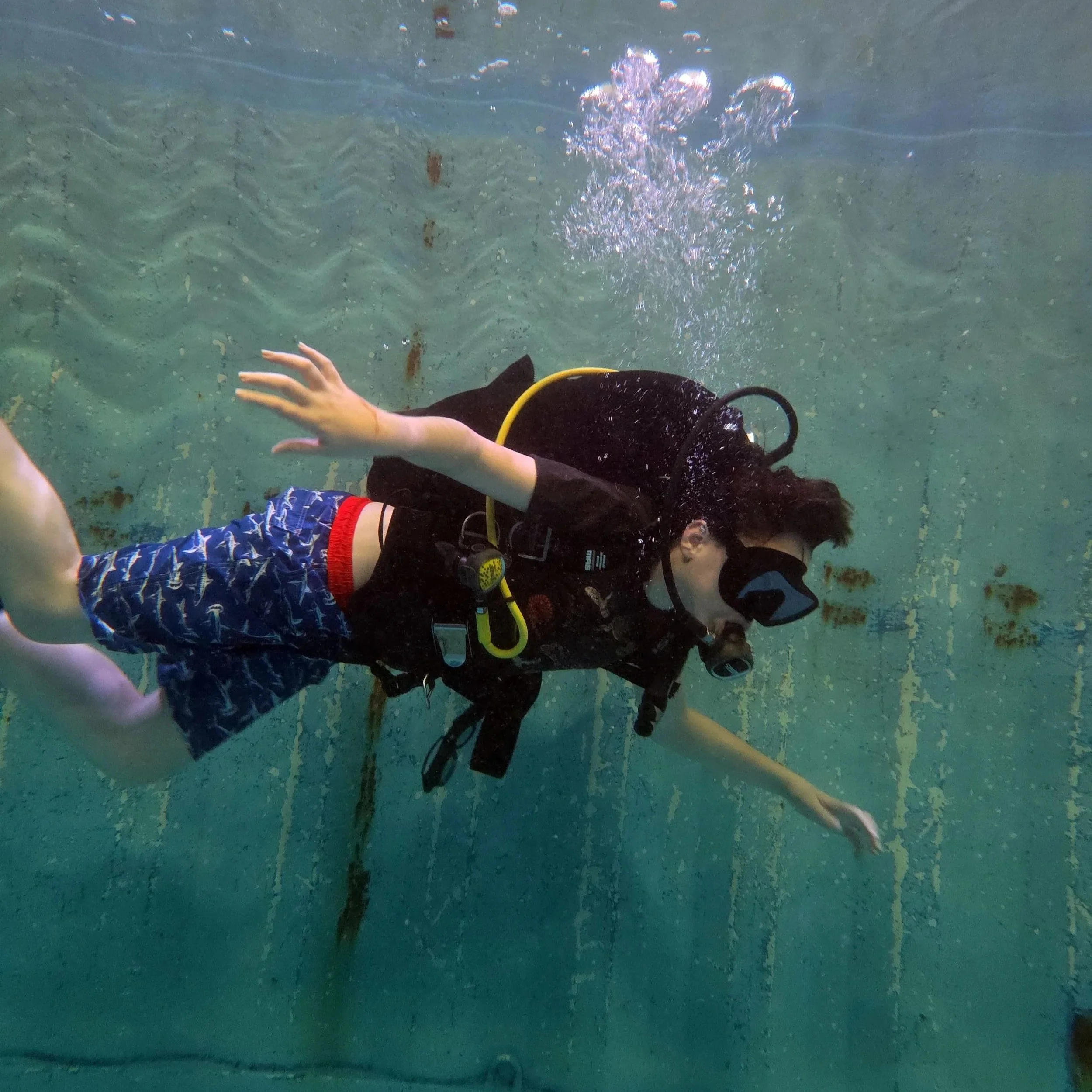
PADI Youth Diving Pathways
PADI created structured pathways so children can safely experience diving at the right stage of development.
🫧 Bubblemaker® (Age 8+)
A shallow, pool-based introduction to scuba diving with a maximum depth of around 2 metres.
Designed to be safe, fun, and confidence-building.
🦭 PADI Seal Team™
Pool-based missions teaching real scuba skills in a fun, structured way.
🐠 Advanced Snorkeller
Perfect stepping stone into underwater skills, breathing control, and water awareness.
🌊 Junior Diver Levels
From Junior Open Water through to Junior Divemaster pathways, with age-appropriate depth limits and supervision rules.
🧜 PADI Mermaid™ & 🤿 PADI Freediver™
Alternative water confidence and breath-control pathways for different interests.
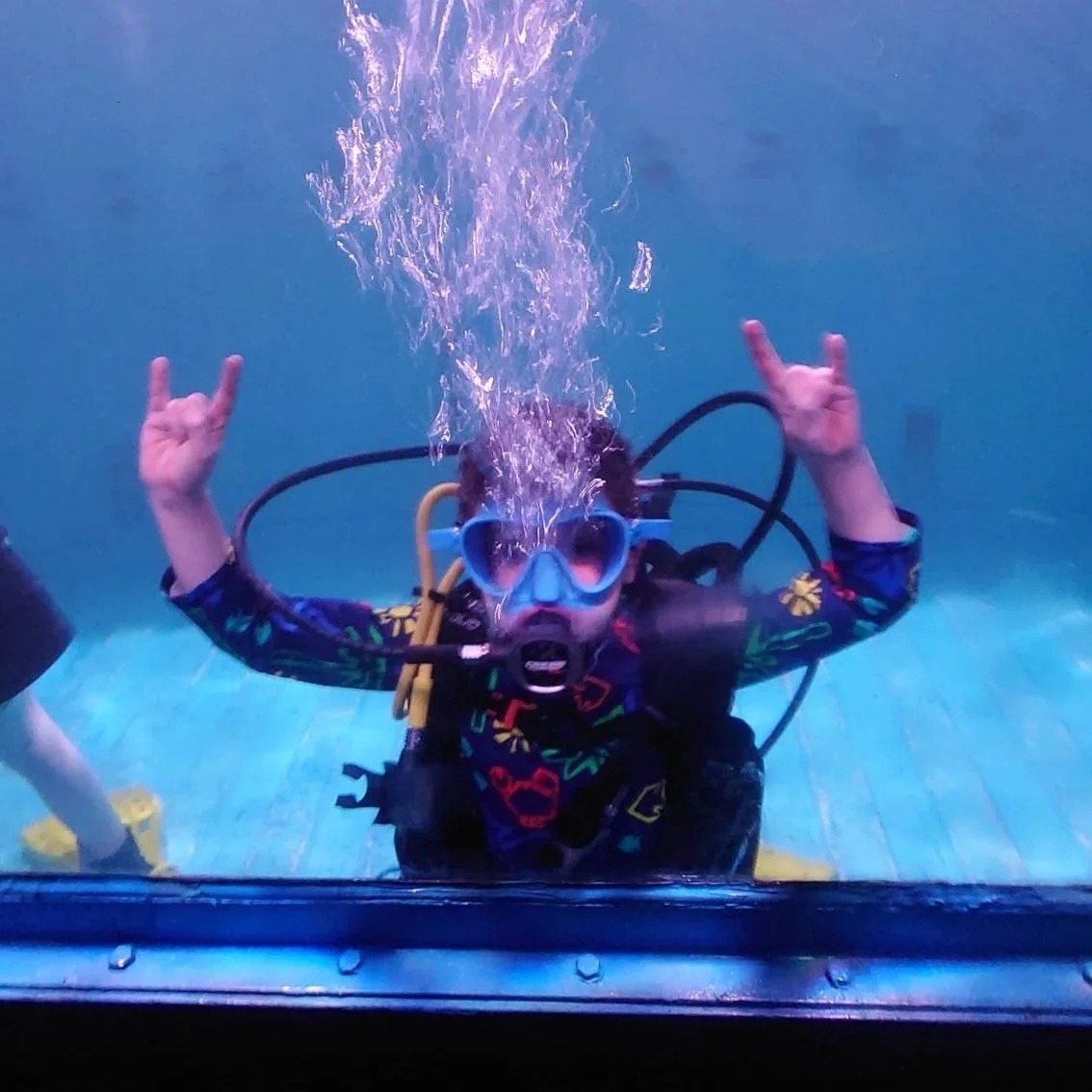
Children Are Not “Small Adults”
One of the most important things instructors must remember is that children learn differently.
Children often need:
More reassurance
Clear, simple instructions
Positive reinforcement
Smaller step learning goals
More direct supervision
Good youth instructors focus on building trust first, skills second.
Not every instructor enjoys teaching children — and that’s okay. Teaching young divers carries a very high duty of care.
Safety, Science and Medical Considerations
Medical research and diving safety reviews show that while children can dive safely within strict limits, there are physiological and developmental differences to consider.
For example:
Younger children may cool down faster than adults due to body size differences.
Ear equalisation can be harder for younger divers.
Lung development continues into later childhood.
Strength and endurance are lower than adults.
Because of this, training agencies apply strict:
✔ Age limits
✔ Depth limits
✔ Supervision requirements
✔ Equipment sizing requirements
There is currently limited long-term medical data proving increased risk when diving within controlled limits, but conservative safety standards are applied to protect young divers.
The Parent–Instructor–Child Partnership
Successful youth diving programmes rely on strong communication between:
The child
The parents or guardians
The instructor
Children must want to dive, not feel pressured. Motivation and readiness matter more than age alone.
Social and Development Benefits of Diving
Youth diving can help:
✔ Build confidence
✔ Support emotional regulation
✔ Improve focus and discipline
✔ Encourage environmental responsibility
✔ Provide healthy outdoor activity
✔ Strengthen family bonds
Diving is a structured, supervised, non-impact activity, very different from many contact sports.
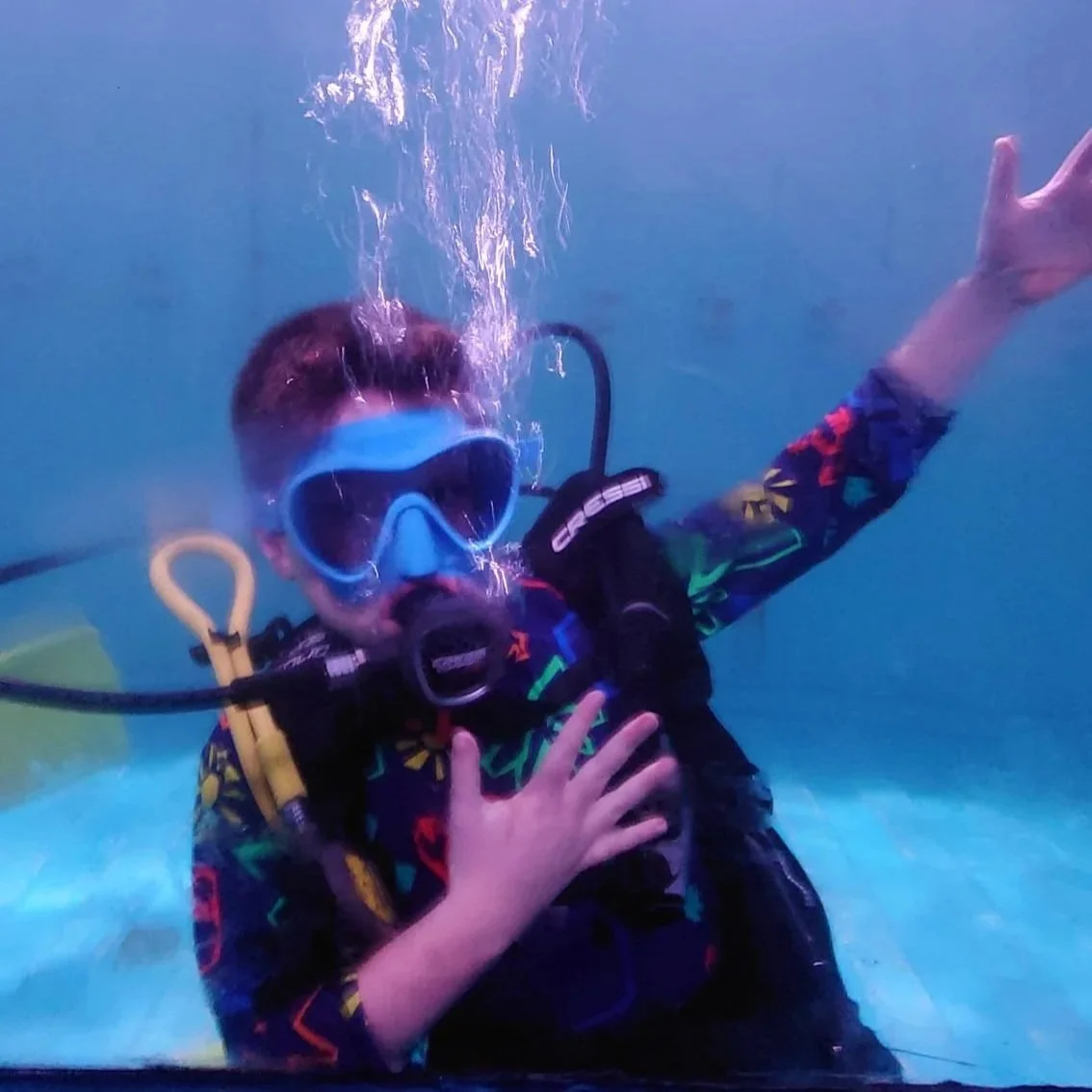
Youth Diving at Abyss Scuba School
At Abyss, youth diving focuses on:
Safe, warm pool learning first
Small supportive groups
Building confidence step by step
Strong supervision ratios
Calm, positive learning environments
Many young divers progress into:
Marine conservation interests
Leadership pathways
Future dive professionals
Lifelong ocean advocates
Final Thoughts
Children can learn to dive safely when:
✔ Training is structured
✔ Supervision is strong
✔ Equipment is appropriate
✔ Medical screening is followed
✔ Progression is gradual
✔ The child genuinely wants to participate
Diving isn’t just about skills, it’s about confidence, curiosity and connection to the ocean.
Thinking About Youth Diving?
If your child loves water, marine life, or outdoor learning, diving could be an incredible next step.
👉 Contact Abyss Scuba School to ask about youth programmes, first experiences, or family diving pathways.
