The A–Z of Scuba Diving: From First Breath to Full Potential
Scuba diving can look complicated from the outside gear, courses, physics, safety, ocean environments. But when you break it down step by step, it becomes one of the most rewarding journeys you can take.
Here’s the A–Z of scuba diving, taking you from curious beginner to confident diver and beyond.
A — Adventure
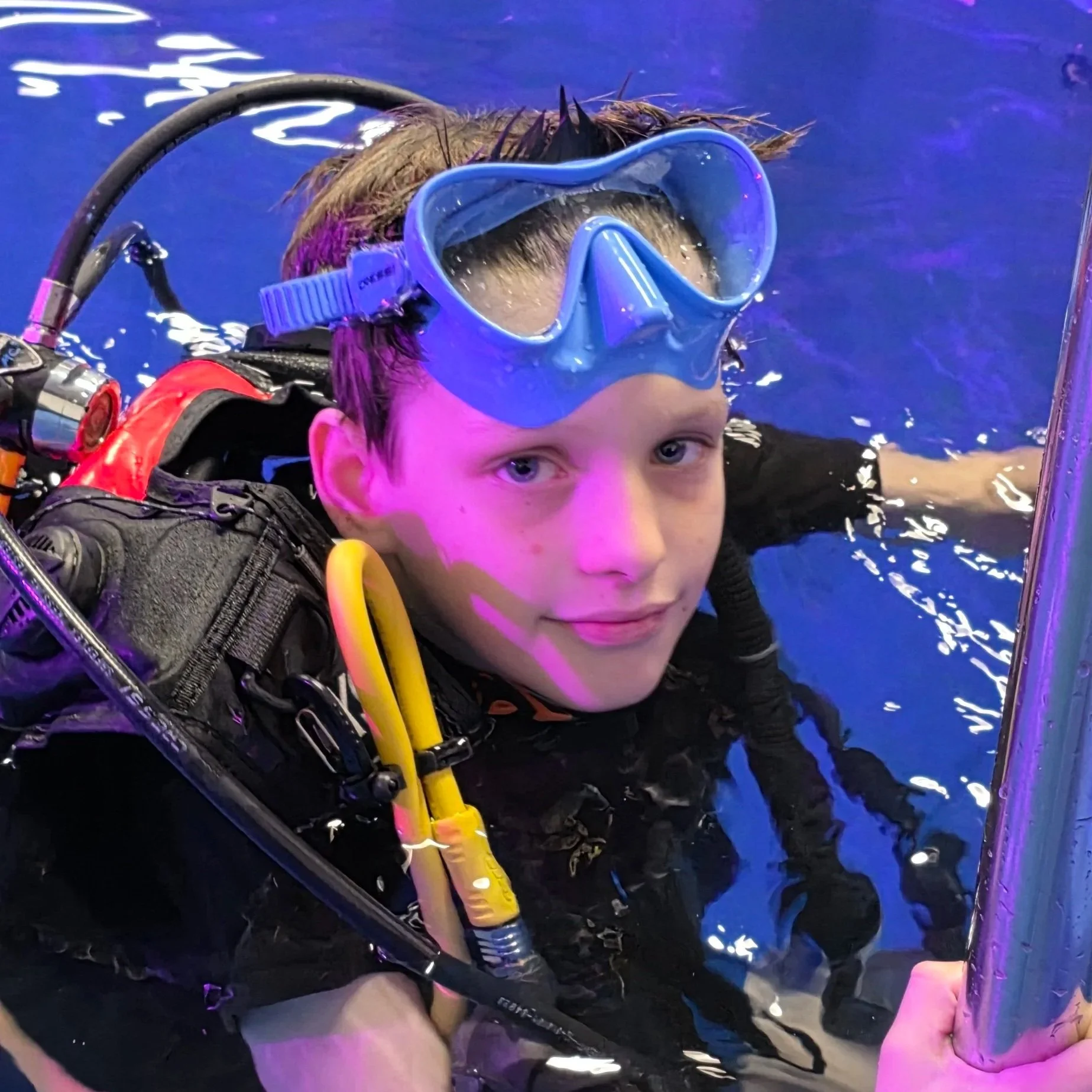
The reason most people start. Exploring reefs, wrecks, wildlife and underwater worlds few people ever see.
B — Buoyancy
The skill that makes diving look effortless. Master buoyancy = use less air, move smoothly, protect marine life.
C — Certification
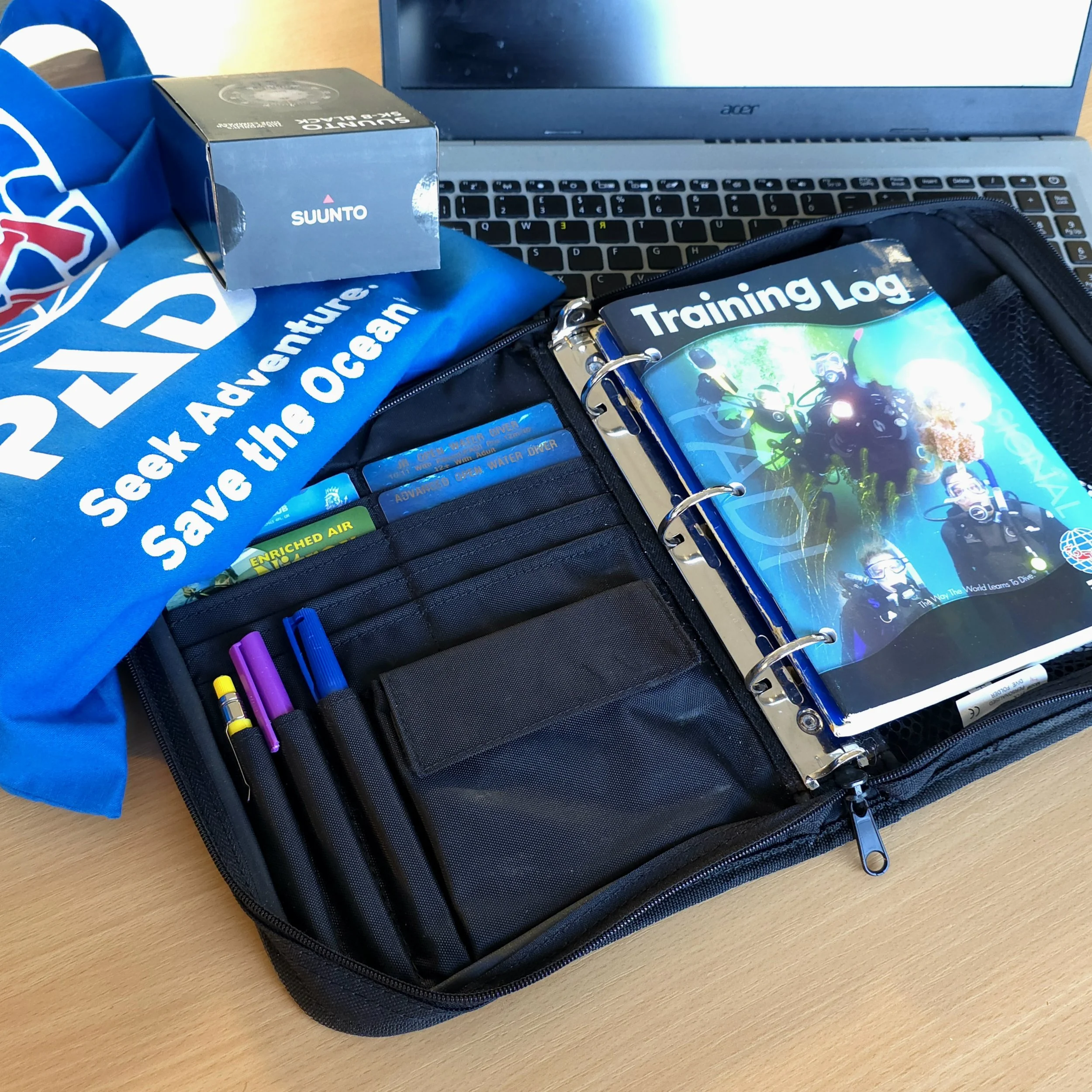
Your licence to dive. Most divers start with Open Water, then progress as confidence grows.
D — Dive Centre
Choose one that focuses on safety, community, and proper training — not rushing courses.
E — Equipment
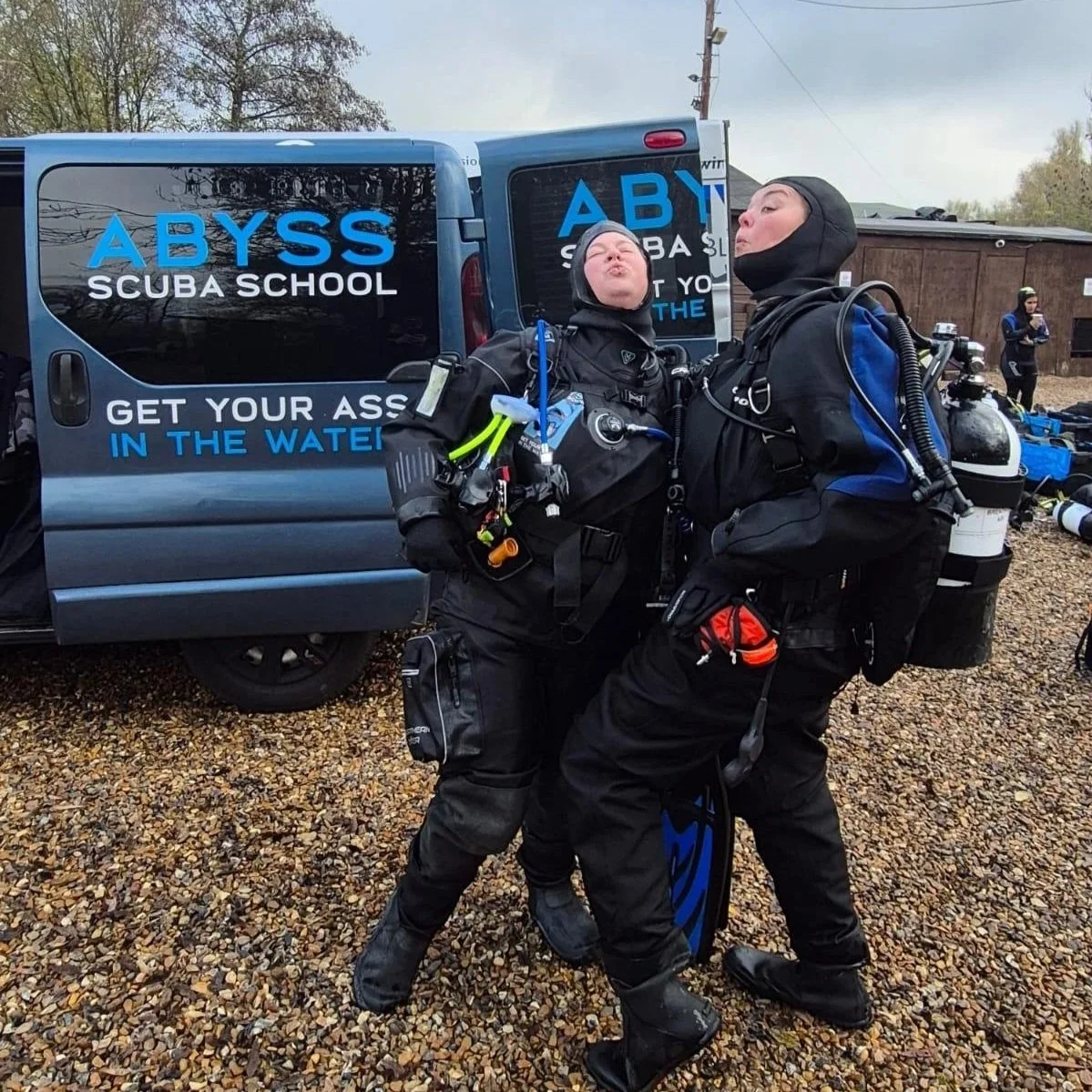
Modern scuba kit is safe, reliable and designed to make diving easier and more comfortable.
F — Fitness
You don’t need to be an athlete — just comfortable in water and in reasonable health.
G — Gas Management
Understanding your air consumption is key to safe, relaxed diving.
H — Heat / Exposure Protection
In the UK especially — staying warm = staying safe and enjoying dives longer.
I — Instructor
A good instructor builds confidence, not pressure.
J — Journey
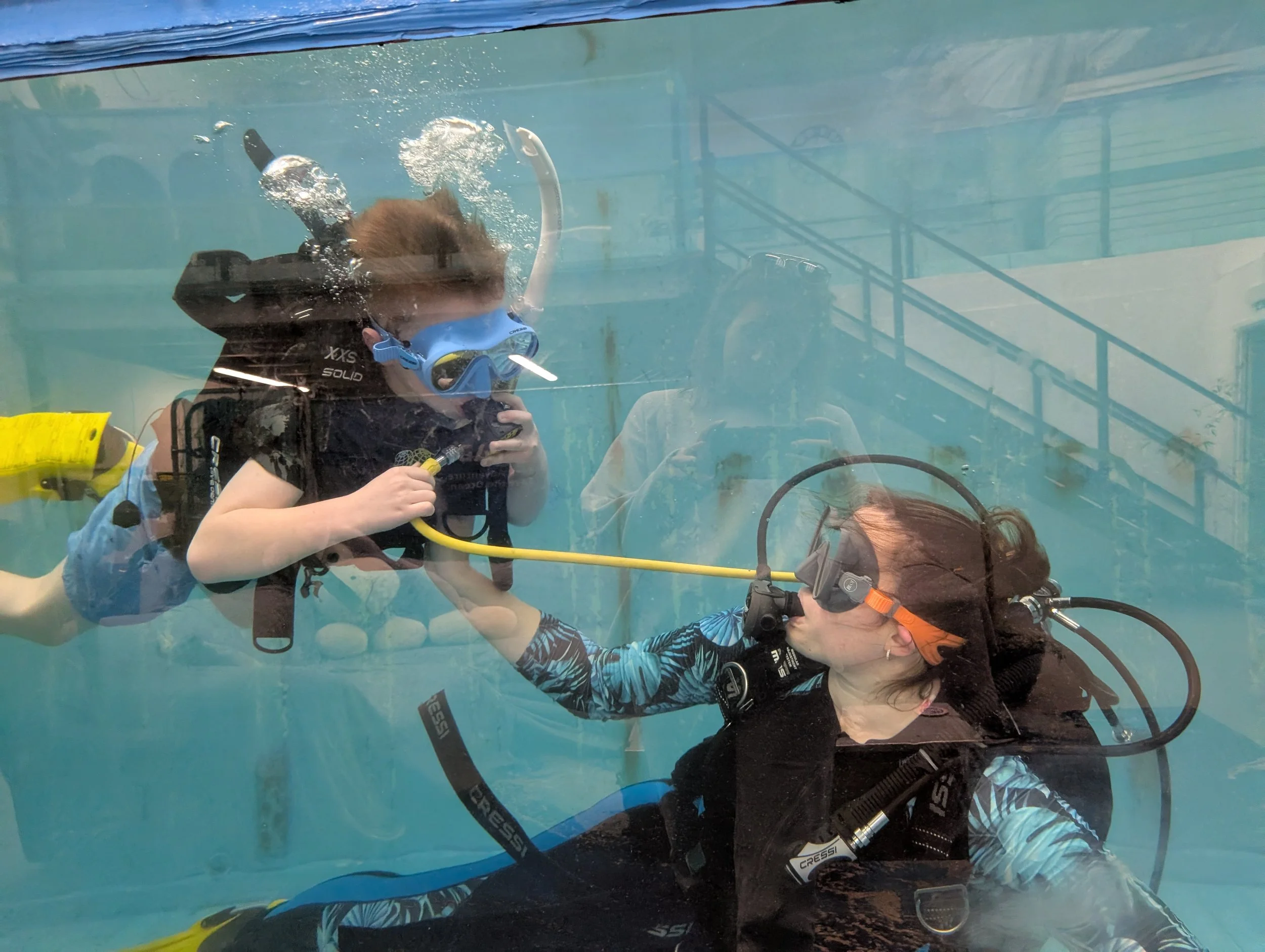
Diving isn’t a one-course hobby. It’s a lifelong progression.
K — Knowledge
Understanding theory makes you calmer and safer underwater.
L — Location
You don’t need the tropics. UK diving can be incredible.
M — Marine Life
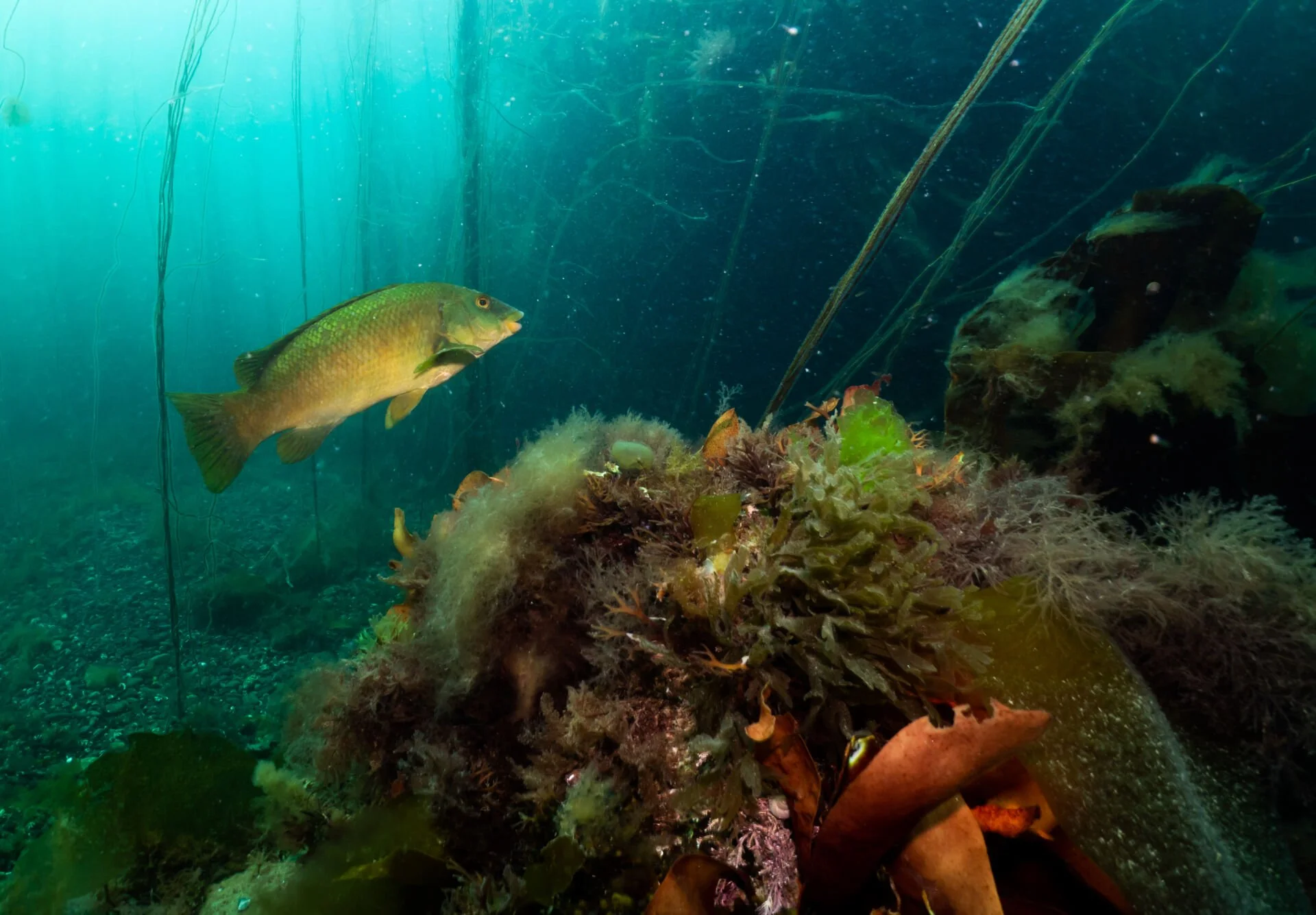
From tiny nudibranchs to seals — diving connects you to nature in a unique way.
N — Nitrox
Often your first “advanced” skill. More bottom time, less nitrogen load.
O — Open Water Diver
Your first major milestone.
P — Practice
Pool time builds skills that make open water dives easy.
Q — Qualification Pathways
Advanced → Rescue → Divemaster → Instructor → Specialist pathways.
R — Rescue Skills
Confidence grows massively once you know you can help others.
S — Safety
Everything in scuba is built around risk management and planning.
T — Training Environment
Learning in calm, controlled conditions first makes better divers long term.
U — Underwater Communication
Hand signals, awareness and teamwork.
V — Visibility
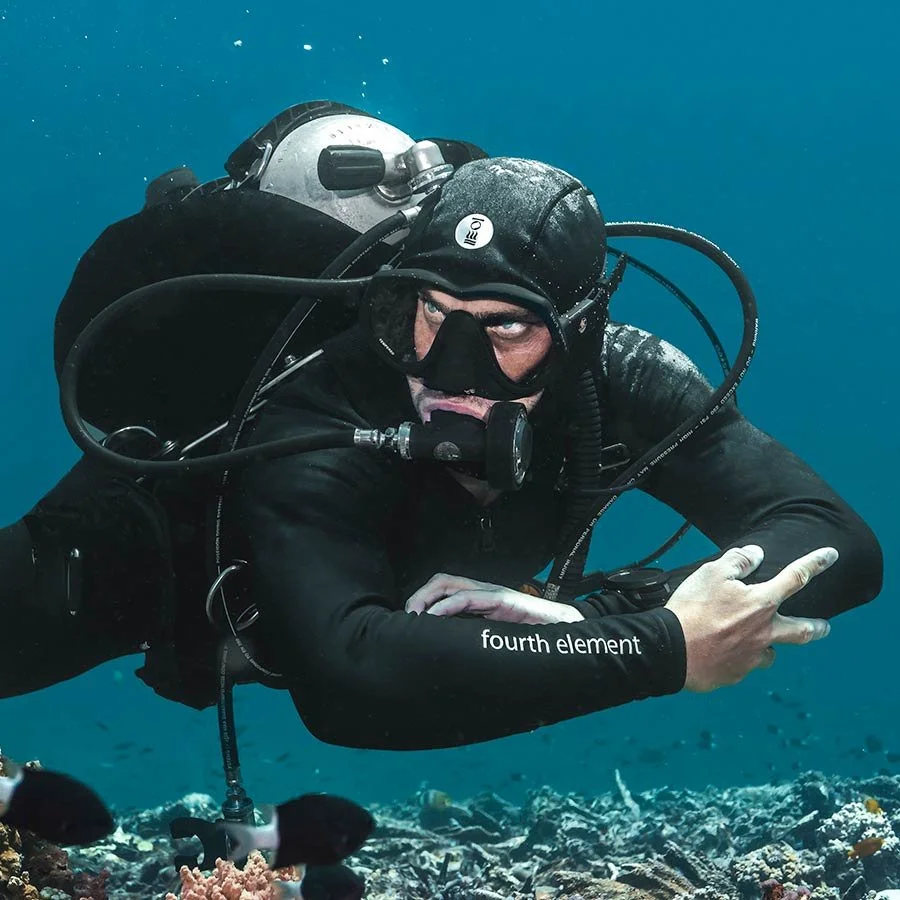
Changes dive to dive — good training prepares you for all conditions.
W — Water Confidence
The real foundation of good diving.
X — eXperience
Every dive builds skill, calmness and awareness.
Y — Your Pace
The best divers progress steadily, not rushed.
Z — Zero Limits (Long Term)
From local diving to travel, conservation, technical diving, or professional careers — diving can go as far as you want it to.
From First Try Dive to Full Potential
Most divers follow a pathway like this:
Try Dive → Open Water → Advanced → Rescue → Specialties → Divemaster → Instructor → Specialist / Technical / Conservation / Career
But there’s no rush. Diving is about enjoyment, confidence and experience.
Why Starting Local Makes Better Divers
Learning locally means:
✔ More practice
✔ Better core skills
✔ Confidence in real conditions
✔ Strong foundations for travel diving
Final Thought
Scuba diving isn’t just a course.
It’s a skill.
A mindset.
A lifestyle.
And it’s open to far more people than most realise.
If you’ve ever thought about diving — start the journey.
If you already dive — keep progressing.
If you love the ocean — protect it.
👉 Ready to start your A–Z journey?
Come see us, try diving, or plan your next step.
